Your Greek Easter Guide: Customs, 2024 Dates, & Must-Know Facts
For anyone seeking an authentic cultural and religious experience in Greece, nothing quite compares to the profound beauty and joyful celebrations of
Greek Easter. More than just a holiday, it is the zenith of the Greek Orthodox calendar, overshadowing even Christmas in its significance, atmosphere, and the sheer scale of the festivities. It’s a time when families reunite, communities come alive, and ancient traditions are observed with unwavering devotion and joyous anticipation. If you’re planning a visit or simply curious about this deeply cherished period, understanding its customs and calendar differences is key to appreciating its unique charm.
Greek Easter 2024 Dates: Mark Your Calendar!
One of the first things many visitors discover about
Greek Easter is that its dates often diverge from Western Christian Easter. For 2024, prepare to experience the culmination of Holy Week on
Easter Sunday, May 5th. The week of intense preparations and spiritual reflection will commence on Palm Sunday, April 28th. This later date often surprises those accustomed to the Gregorian calendar, but it offers a unique opportunity to witness Greece in a vibrant, springtime bloom, often before the peak summer crowds arrive. Being aware of these dates is crucial for planning travel, as Greece transforms completely during this period, with many businesses operating on a holiday schedule.
Understanding Why Greek Easter Dates Differ: A Tale of Calendars
The difference in
Greek Easter dates is a fascinating story rooted in history and astronomy, specifically the use of two different calendars: the Julian and the Gregorian. While most Western countries and Christian denominations (Catholic and Protestant) adopted the Gregorian calendar reforms of 1582, the Greek Orthodox Church, along with several other Eastern Orthodox Churches, largely adheres to the older Julian calendar for calculating the date of Easter.
Beyond the calendar, there’s an additional rule: Orthodox Easter must always fall after Passover, a Jewish holiday, reflecting the historical timeline of Christ's crucifixion and resurrection. This combination of Julian calendar calculations and the Passover rule ensures that Greek Easter maintains its distinct timing. Understanding this historical context enriches your appreciation of the celebrations. To delve deeper into this intriguing discrepancy, explore
Why Greek Easter Dates Differ: Julian vs. Gregorian Explained.
The Heart of Greek Easter: Holy Week Traditions
The week leading up to Easter Sunday, known as Holy Week (or Μεγάλη Εβδομάδα - Megali Evdomada), is a crescendo of spiritual observance, culinary preparations, and communal anticipation. It's a period where every day carries specific significance and traditions, deeply weaving together religious faith with family and national identity. The Pew Research Center noted in 2017 that 91% of Greeks identify with the Greek Orthodox tradition, underscoring the widespread participation in these customs.
The Lead-Up: Sarakosti (Great Lent)
The journey to
Greek Easter doesn't begin with Holy Week itself, but 40 days prior with the onset of Sarakosti, or Great Lent. This is a period of strict fasting, prayer, and reflection, designed to cleanse the body and soul in preparation for the resurrection. During Sarakosti, many Orthodox Christians abstain from meat, dairy, eggs, fish (with some exceptions), and olive oil. It's a communal effort, and a significant part of Greek daily life, shaping meals and social gatherings.
From Palm Sunday to Holy Saturday
Each day of Holy Week brings its own unique set of rituals and customs:
* **Palm Sunday (Κυριακή των Βαΐων):** Marks the triumphant entry of Jesus into Jerusalem. Churches distribute palm or olive leaves, symbolizing victory. It’s the last day before the strictest fasting period of Holy Week begins.
* **Holy Monday, Tuesday, and Wednesday:** These days are dedicated to church services recalling parables and prophecies. Households begin their extensive preparations, from deep cleaning homes to organizing shopping lists for the grand feast.
* **Holy Thursday (Μεγάλη Πέμπτη):** A pivotal day. Families dye hard-boiled eggs a vibrant red, symbolizing the blood of Christ and rebirth. Many also bake the traditional sweet bread,
tsoureki, a delicious, braided loaf often flavored with mahlab and masticha.
* **Holy Friday (Μεγάλη Παρασκευή):** The most somber day, commemorating the crucifixion. Flags fly at half-mast, and church bells toll mournfully. In the evening, the Epitaphios (an intricately decorated bier representing Christ’s tomb) is adorned with flowers. A solemn procession, often led by local clergy and accompanied by marching bands, carries the Epitaphios through the streets, with parishioners following in respectful silence, candles in hand.
* **Holy Saturday (Μεγάλο Σάββατο):** The anticipation builds. The day begins with preparing the traditional Easter soup,
Magiritsa, which will break the Lenten fast after midnight. As midnight approaches, churches are packed. At precisely midnight, the lights dim, and the priest emerges from the altar, proclaiming "Δεῦτε λάβετε Φῶς" (Come receive the Light) with the Holy Flame, brought from Jerusalem. The flame is passed from candle to candle, and the church erupts in light. The priest then proclaims "Χριστός Ανέστη!" (Christ is Risen!), to which the congregation joyfully responds "Αληθώς Ανέστη!" (Truly He is Risen!). Fireworks illuminate the night sky, and families return home to feast on Magiritsa and crack their red eggs.
The Grand Finale: Easter Sunday Feast
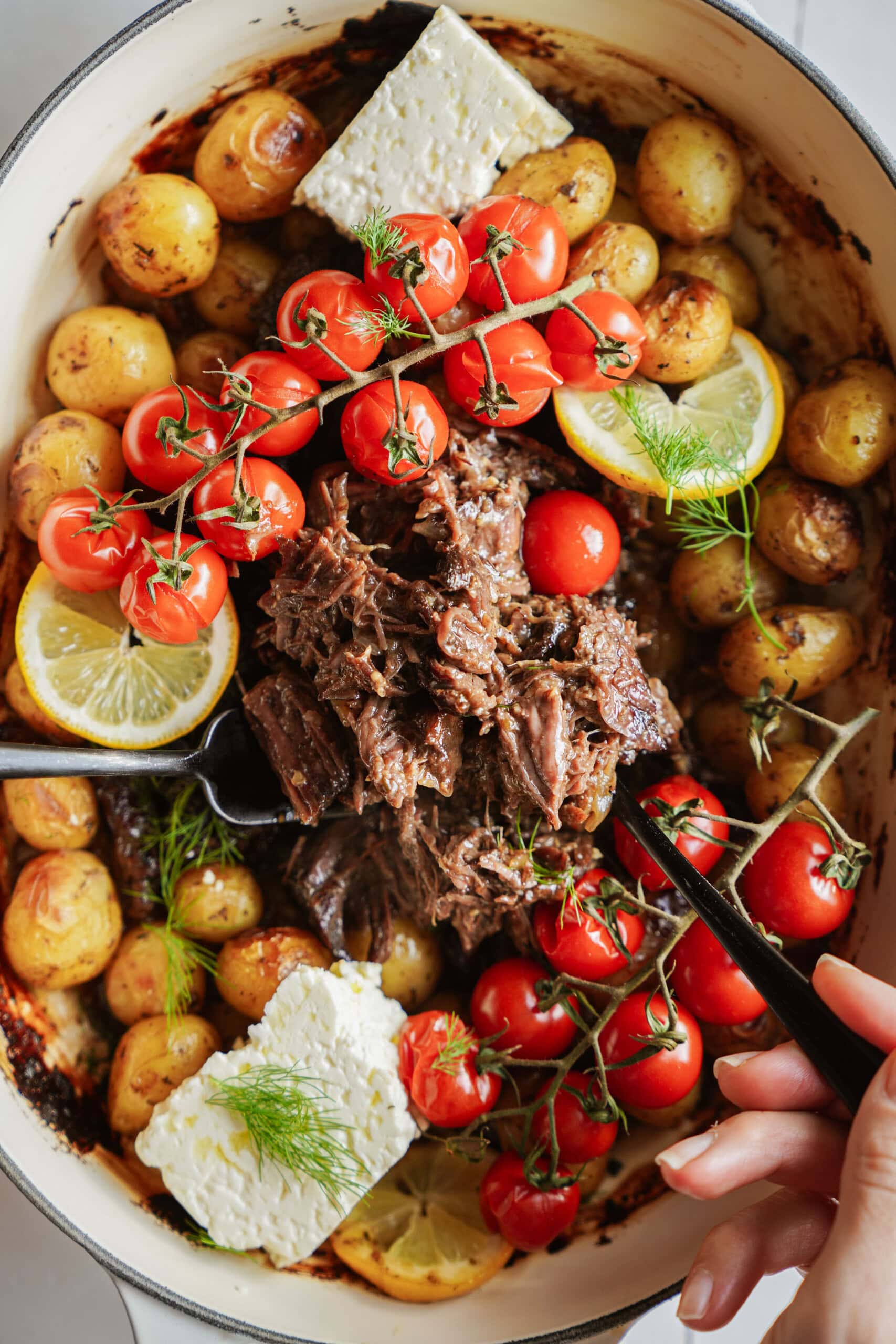
Easter Sunday is the epitome of celebration. After the midnight service, the somberness of Holy Week gives way to unbridled joy. Families gather for an elaborate feast, often extending well into the afternoon. The centerpiece of this culinary extravaganza is traditionally spit-roasted lamb or goat, cooked slowly over coals – a source of immense pride for the "man of the house." The cracking of red eggs (tsougrisma) is a beloved tradition, where participants tap their eggs against others, with the owner of the last uncracked egg declared lucky. With abundant food, wine, traditional music, dancing, and heartfelt greetings of "Christos Anesti!", Greek Easter Sunday is less a pious religious event and more a vibrant, joy-filled garden party, symbolizing renewal and community. For a deeper dive into these rich traditions and the profound meaning behind Holy Week, check out
Greek Easter Unveiled: Traditions, Feasts, and Holy Week Meaning.
Planning Your Greek Easter Experience: Tips & Insights
Experiencing
Greek Easter firsthand is truly unforgettable. Here are some practical tips to enhance your journey:
* **Book Ahead:** Accommodation and flights, particularly to popular destinations, fill up quickly. Many Greeks travel to their ancestral villages or islands for Easter, so plan well in advance.
* **Embrace the Atmosphere:** While services are solemn, the overall mood is one of profound joy and community. Don't be shy to participate respectfully in public processions or observe the midnight service.
* **Learn Key Phrases:** "Χριστός Ανέστη!" (Christos Anesti! – Christ is Risen!) and "Αληθώς Ανέστη!" (Alithos Anesti! – Truly He is Risen!) are essential greetings from Holy Saturday night onwards.
* **Food, Glorious Food:** Be prepared to indulge! Beyond the lamb, savor the tsoureki, the unique Magiritsa, and the many Lenten dishes (like lagana bread and tahini sweets) available during Holy Week.
* **Expect Closures:** Many businesses, banks, and public services will operate on holiday hours, particularly from Holy Friday through Easter Monday. Plan your errands accordingly.
* **Village vs. City:** Experiencing Easter in a small village offers an incredibly intimate, traditional insight, while cities like Athens or Thessaloniki provide grander, more public spectacles. Both are fantastic, depending on your preference.
Conclusion
Greek Easter is far more than a religious holiday; it's a profound cultural immersion that speaks to the heart of Greek identity, family values, and unwavering faith. From the solemn reflection of Holy Week to the explosive joy of Easter Sunday, it’s a time of immense anticipation, preparation, and communal celebration. Understanding the 2024 dates, the historical calendar differences, and the beautiful tapestry of traditions allows you to fully appreciate this extraordinary period. Whether you're witnessing the candlelit processions, tasting the celebratory lamb, or simply exchanging joyful greetings, experiencing Greek Easter is a truly enriching and unforgettable journey into the soul of Greece.