Greek Easter Unveiled: A Deep Dive into Traditions, Feasts, and Holy Week Meaning
In Greece, there’s no holiday more anticipated, revered, or celebrated than Greek Easter. Surpassing even Christmas in its cultural and religious significance, it’s a period of profound spiritual reflection, joyous family reunion, and spectacular feasting. For those accustomed to Western Easter celebrations, the experience of Greek Easter offers a fascinating blend of familiar themes and unique customs, often unfolding weeks after their own observances.
The entire nation gears up for this pivotal event, transforming cities and villages into vibrant hubs of tradition. From the solemn processions of Holy Week to the grand, lamb-spit-roasting feasts of Easter Sunday, the customs surrounding Greek Easter paint a vivid picture of a deeply rooted cultural identity. This isn't just a religious holiday; it's a profound national, community, and family celebration that captivates the hearts of 91% of Greeks who identify with the Greek Orthodox tradition.
The Distinctive Timing of Greek Easter
One of the first things visitors to Greece often discover is that Greek Easter typically falls on a different date than Easter celebrated by Western Christians. Imagine planning a trip to Athens in April, expecting a quiet visit, only to find the Acropolis gates closed on what turns out to be Easter Sunday in Greece – perhaps a fortnight after you celebrated Easter back home!
This difference in timing stems from a fascinating historical divergence in calendar usage. While many Western countries adhere to the Gregorian Calendar, the Greek Orthodox Church, along with several other Eastern Orthodox churches, follows the older Julian Calendar for calculating the date of Easter. This ancient Roman calendar, established by Julius Caesar, leads to a calculation that can result in a difference of one to five weeks. For example, in 2024, Holy Week for Greek Easter commenced on Palm Sunday, culminating on Easter Sunday, May 5th.
This calendar distinction not only affects the date but also sets the stage for a unique week-long period of services, preparations, and celebrations that are truly unparalleled. To delve deeper into the historical reasons behind this calendar difference, explore our detailed explanation: Why Greek Easter Dates Differ: Julian vs. Gregorian Explained.
Sarakosti: The 40-Day Spiritual Journey Leading to Greek Easter
The preparations for Greek Easter don't just begin with Holy Week; they embark on a spiritual journey much earlier, 40 days before Easter Sunday, with the onset of Great Lent, known as Sarakosti. This period is a cornerstone of Greek Orthodox practice, characterized by fasting and prayer, designed to cleanse the body and soul in anticipation of Christ's Resurrection.
The fasting during Sarakosti is quite strict, traditionally abstaining from meat, dairy, eggs, fish, and olive oil on most days. It’s a period of deep introspection and spiritual discipline, encouraging believers to focus on their faith and prepare themselves for the joyous culmination of Easter. Beyond the dietary restrictions, Sarakosti also involves a renewed commitment to charity, repentance, and quiet contemplation. For many, it's a time for spring cleaning not just of the home, but of the spirit, setting the tone for the profound events that unfold during Holy Week.
Holy Week: A Day-by-Day Tapestry of Tradition and Anticipation
The six days leading up to Easter Sunday, known as Holy Week (Megali Evdomada), are a whirlwind of ritual, community, and domestic preparations. Every day holds specific significance, gradually building in intensity from solemn reflection to ultimate jubilation.
Palm Sunday (Kyriaki ton Vaion)
Holy Week begins with Palm Sunday, commemorating Christ's triumphant entry into Jerusalem. Churches are adorned, and parishioners receive blessed olive or palm branches, symbolizing victory and peace. While a celebratory start, it quickly transitions into a more solemn tone as the week progresses.
Holy Monday, Tuesday, and Wednesday (Megali Deftera, Triti, Tetarti)
These days are marked by poignant church services, each recounting specific events leading up to the Passion. The faithful attend services focusing on themes of repentance, parables, and prophecies. Outside the church, households are abuzz with activity. This is when intense spring cleaning takes place, homes are aired out, and families begin sourcing ingredients for the elaborate Easter Sunday feast. The quest for the perfect, succulent lamb from a "trusted vendor" often becomes a competitive and prideful endeavor for the patriarch of the house!
Holy Thursday (Megali Pempti)
Holy Thursday is a day of critical domestic preparations. After morning church services commemorating the Last Supper and the Washing of the Feet, homes transform into workshops of tradition:
- Dyeing Red Eggs: This is perhaps one of the most iconic Greek Easter customs. Eggs are dyed a vibrant red, symbolizing the blood of Christ and the promise of new life and resurrection. They are often arranged beautifully in baskets or on tables.
- Baking Tsoureki: The sweet, braided brioche-like bread, *tsoureki*, is baked on this day. Often flavored with *mahlepi* and *mastic*, it's a fragrant treat, sometimes adorned with one of the red eggs pressed into its dough.
Holy Friday (Megali Paraskevi)
This is the most solemn day of Holy Week, commemorating Christ's crucifixion. It's a day of deep mourning, observed with strict fasting and often no work. Churches are draped in black, and church bells toll a somber rhythm. In the evening, the emotional highlight is the procession of the Epitaphios. The *Epitaphios* is a beautifully embroidered bier, symbolizing Christ's tomb, adorned with thousands of fresh flowers by local women. Parishioners follow the *Epitaphios* through the streets, carrying candles, singing hymns, and creating a truly moving spectacle of communal grief and reverence.
Holy Saturday (Megalo Savvato)
Holy Saturday is a day of anticipation. The atmosphere shifts from mourning to a palpable excitement for the Resurrection. In the afternoon, the "Holy Light" arrives from Jerusalem to Athens, distributed to churches across the country. As midnight approaches, churches fill to capacity for the Resurrection Service (*Anastasi*). At the stroke of midnight, the priest emerges from the altar, proclaiming "Christos Anesti!" (Christ is Risen!), and shares the Holy Light with the congregants' candles. The response, "Alithos Anesti!" (Indeed He is Risen!), echoes through the night. Fireworks light up the sky, and church bells ring joyously. Families return home, breaking the long Lenten fast with the traditional *magiritsa*, a savory lamb offal soup, and beginning the symbolic cracking of the red eggs (*tsougrisma*).
Easter Sunday (Kyriaki tou Pascha)
Easter Sunday is the pinnacle of the celebrations – a day of unrestrained joy, feasting, and family reunion. The air is thick with the scent of roasting lamb as families gather in gardens and courtyards, often with the traditional whole lamb or goat roasting slowly on a spit (*arnaki souvlas*). This elaborate feast symbolizes Christ as the sacrificial lamb and signifies abundant celebration after the fasting period. Tables groan under the weight of traditional dishes, salads, and plenty of wine. Music, singing, and traditional dancing often accompany the meal, turning it into a vibrant garden party. The *tsougrisma* (egg cracking game) continues, where each person taps their red egg against another's, with the goal of cracking the opponent's egg while keeping theirs intact – a fun, competitive game for all ages.
Beyond Religion: A Celebration of Family and Community
While deeply spiritual, Greek Easter is equally a profound testament to the strength of family and community bonds. It's the ultimate homecoming holiday; children return from university towns, relatives living abroad make the journey back, and generations gather under one roof. The anticipation of these reunions is as much a part of the holiday as the religious ceremonies themselves.
The entire society is in a state of collective planning and preparation. From the local butcher ensuring prime cuts of lamb to the bakeries working overtime on *tsoureki*, everyone plays a part. The pride a man takes in perfectly roasting the lamb, or a woman in her beautifully dyed eggs and homemade *magiritsa*, underscores the personal investment in these traditions. It transforms into a communal joy, where doors are open, food is shared, and the spirit of philoxenia (hospitality) thrives. The overwhelming feeling is one of shared experience – from the solemnity of Holy Friday to the exuberant feast of Easter Sunday – weaving together faith, heritage, and the unbreakable ties of family.
Practical Tips for Experiencing Greek Easter
For anyone considering experiencing Greek Easter firsthand, here are a few practical tips:
- Book Early: Accommodation and travel, especially to popular islands or traditional villages, get booked up months in advance. Plan your trip well ahead.
- Embrace the Local Rhythm: Be prepared for a shift in pace. Many businesses will be closed, particularly from Holy Friday afternoon through Easter Sunday. This is part of the experience, offering a chance to truly immerse yourself in the local customs.
- Participate Respectfully: Attend church services, observe the processions, and engage with locals. Even if you don't understand the language, the atmosphere is incredibly moving.
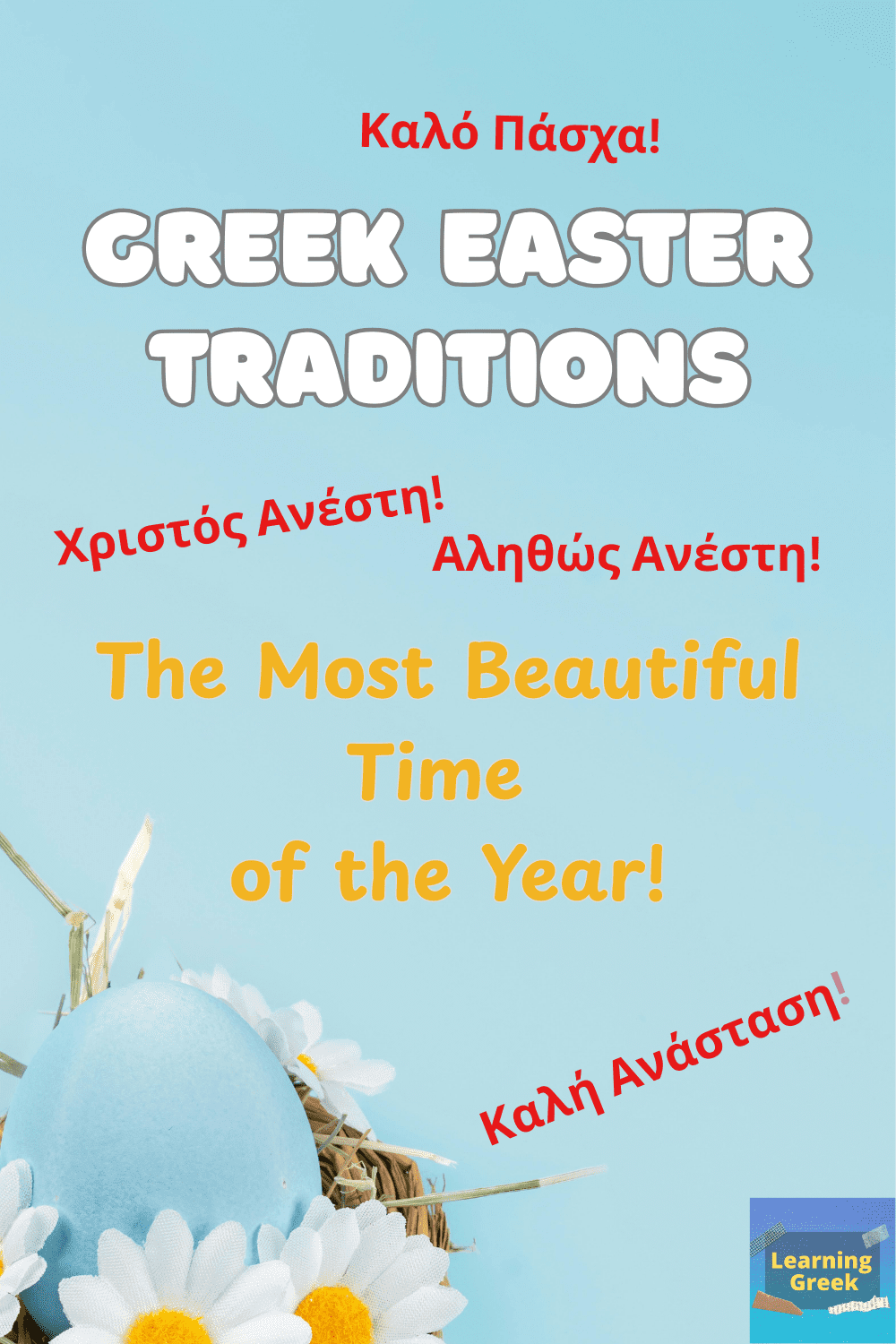
- Learn Key Phrases: A simple "Kalo Pascha!" (Happy Easter!) will be appreciated. After midnight on Holy Saturday, "Christos Anesti!" (Christ is Risen!) and the response "Alithos Anesti!" (Indeed He is Risen!) are the greetings of choice.
- Prepare for a Feast: If invited to a family meal, come hungry! It's a celebration of abundance.
Greek Easter is far more than just a religious observance; it is the heartbeat of Hellenic culture, a vibrant tapestry woven with ancient traditions, profound faith, and an unshakeable commitment to family and community. From the solemn reflection of Holy Week to the unbridled joy of Easter Sunday, it offers an unforgettable glimpse into the soul of Greece. It's a time when ancient customs come alive, bringing generations together in shared celebration and reaffirming the enduring spirit of renewal and hope.
